Showing posts with label Affiliated Organization. Show all posts

Monday, May 23, 2011

2011 SRM Fly-In, Washington D.C.

Guest post by Gary Frasier, SRM First Vice President


2011 Fly-In
Washington D.C.

SUMMARY REPORT


2-5 May 2011 

Participants: 
Jack Alexander, SRM President
Gary Frasier, SRM 1st Vice President 
Wally Butler, SRM 2nd Vice President
Aleta Rudeen, SRM Director of Outreach and Leadership Development 
Kimberly Haile, SRM Young Professional
Jess Peterson, SRM Executive Vice President
Kelly Fogarty, SRM Washington D.C. Liaison 

The Society for Range Management (SRM) executive committee travels to Washington D.C. each year.  The purpose of this trip is to converse with SRMs partners about current and past projects and to identify their current training needs and how SRM can help them meet those needs and maintain its role as an professional society for its members.

The Spring, 2011 Washington Fly-In consisted of two full days of short meetings with various Federal Agencies, (Bureau of Land Management, Natural Resources Conservation Service, U.S. Forest Service, and US Department of Agriculture officials), Sister Societies (The Wildlife Society, American Fisheries Society, Society of American Foresters), and commodity organizations (Public Lands Council, American Sheep Industry).  There was also a Reception by Western Skies Strategies (Jess Peterson) and a 2011 American Lamb BBQ hosted by the American Sheep Industry.


Under the leadership of SRM President Jack Alexander, discussions with each group centered on the Ecological Site Description Workshops facilitated by SRM, Training and Certification opportunities, and Native Range Forums, past and upcoming. 

We were well received by all groups. SRM is perceived as a credible science-based organization.  The discussions were very open with the dialog directed toward how we could all work more closely to achieve the goals of proper management of natural resources, especially during these times of reduced budgets. 

The Fly-In was considered a successful activity of getting to better know the “Washington Scene” and to expose the various groups we met with to SRM’s goals and objectives.

Thursday, December 16, 2010

SRM Spotlight: Dan Macon, California-Pacific Section

By Julia Workman, SRM Outreach Intern
“Since I’ve started ranching, I haven’t had as much time to volunteer with SRM,” admits Dan Macon, past president of the California-Pacific Section and current owner of Flying Mule Farm in the foothills northeast of Sacramento. There, in Placer and Nevada counties, they raise mostly sheep, and market grass-fed lamb and beef to restaurants and other consumers. Before the farm was founded in 2001, Dan had a variety of careers, starting with an Agricultural and Managerial Economics degree at the University of California-Davis. After graduation, he worked with the California Cattleman’s Association on federal land policy, endangered species concerns, and range management issues. He also helped start—and served as the first executive director of—the California Rangeland Trust (CRT). After that, he worked with the Natural Resources Conservation Service (NRCS), and then a local land trust.
Dan enjoys reading and camping and is very interested in wildlife. Fly-fishing is another favorite activity when he has the time. Despite the relative inactivity he claims now, he has also been quite involved in SRM since he joined fifteen years ago. Besides serving on the California-Pacific Section board and as the Range Excellence Committee Chair, he has served as Section President in 2001 and received the Ranch Manager of the Year award.
Professional development was Dan’s reason for joining SRM: the Society gave him a chance to gain some technical knowledge of rangeland management since he did not have much background in the field. He says he liked—and likes—that SRM brings together the science and art involved in managing rangelands, and that SRM is the only professional group to bring an ecosystem approach to range management. Looking back, he says that the education he has received through SRM has been very valuable in his career, along with the opportunity to make connections with other professionals. Another strength of the Society, he says, is its ability to make available information to make ranching operations more sustainable and economically viable.
Dan says he was at the forefront of a demographic change among students interested in rangeland management. When he was a student, the profession was beginning to see a shift away from those with agricultural backgrounds—a change which is evident in SRM membership. Dan says that this movement has given range managers a great opportunity to collaborate with other professions and will make the profession stronger in the long run: “diversity is a good thing” when it provides a group with more perspectives and backgrounds.
According to Dan, it is important to bring new and experienced members together. He says that meaningful involvement for young members consists of more than speaking contests, and that direct, hands-on experience with professionals is vital for the professional development of members early in their career. It also provides an opportunity for both young and old to learn from each other. He would like to see more recent college graduates taking on internships on farms and ranches, and SRM continuing to take a bigger role in that: “Opportunities go beyond programs at universities. The professional knowledge is very important.”
Natural resources- and agriculture-related professions, Dan says, will continue to undergo a profound change as interest in local food production for national security increases. He believes that rangeland management is following the same trends as agriculture in that the interest in both has skipped a generation or two, but a new generation is now receptive to SRM’s approach to rangeland management; SRM just needs to reach them. He sees a bit of a struggle in the Society as perceptions of rangelands shift, and believes that SRM will best attract new members in the future by staying relevant. Efforts to broaden outreach to the upcoming generation, while providing professional development opportunities relevant to the public, ranchers, and communities, will be important in achieving this goal.
Dan’s great hope for SRM is that it continues to diversify its membership along a spectrum of ages and backgrounds. He would like to see it recognized as a place for scientific debates and a safe environment for discussions between ranchers and environmental groups.
He also hopes that younger members will get involved by attending section and parent society meetings—but “not going and passively participating: getting involved!” The field tours, he says, are critical and counsels that younger members should seek out more experienced members at these events to get help, information, and mentorship. He concludes with a lesson he has learned from his own diverse background: “Find a way to do what you love!”

Thursday, December 9, 2010

Colorado Section Meeting

By Julia Workman, SRM Outreach Intern
I recently received a heartfelt Colorado welcome during my first trip to the Western Slope portion of the state for the Colorado Section SRM’s Winter Meeting in Grand Junction. Held jointly with the Colorado Division of Wildlife’s Habitat Partnership Program (HPP) on November 30-December 2, this event was a great opportunity to meet many of the active members from another section.

The same section that organized a great international Annual Meeting last February didn’t disappoint this winter. The organizers pulled a great set of speakers together to support their theme, Wildlife Habitat Management.

Officer installation occurred at the business meeting early Wednesday morning, as well as updates on this involved section’s various happenings, the Billings meeting latest, and outreach news. After Director of Outreach and Leadership Development Aleta Rudeen brought members up-to-date on the current changes in SRM, I gave a talk on what I have learned throughout the course of my Outreach Internship position with SRM and the interviews I have conducted as part of that program. Stay tuned later this month for a summary blog post focusing on my internship experience and what I have learned from talking with SRM members this semester.

After the business meeting, CSSRM and HPP reconvened together for the day’s symposia. Talks during the meeting covered a broad range of topics, from defining habitat to the effects of pine beetles on Colorado’s forests, and from riparian area habitat management to the effects of CRP on wildlife habitat.
One of my favorite talks was “The Wisdom Body: Nutrition, Health, and Nature’s Pharmacoepia.” Dr. Fred Provenza focused on the ways that animals—and people, too—learn to eat various foods based on their culture and the primary and secondary compounds found in them. It was an interesting and unique talk in defense of his assertion that natural landscapes serve as nutrition centers and pharmacies for both herbivores and those who eat them.

Another great talk, "Ranching for Wildlife, or What's Good for Livestock is Good for Wildlife" was given by rancher Kelley Bater. In it, he focused on the livestock improvements he has made on his own ranch and how developing for livestock helps wildlife, as well. It was an interesting perspective on an important topic!

The award presentations at the Wednesday night banquet recognized some outstanding people such as the recipients of the Excellence in Rangeland Conservation award, the LeValley family of Hotchkiss. See some of the management practices being implemented on LeValley ranch here.

The highlight of the evening for many was John Fielder’s visually striking presentation of his new photography book, Ranches of Colorado. For the book, John traveled all over the state of Colorado, photographing fifty ranches in order to capture the open space and habitat that ranches provide.

Overall, the Colorado Section helped host an excellent section meeting. I gained a great deal from both the meeting content and the chance to speak with many of the section members. Thank you, Colorado Section, for this introduction to another portion of your beautiful state! I can’t wait to visit again soon!

Thursday, May 27, 2010

Florida Section Meeting and Orlando Annual Meeting 2014

Last week I attended the Florida Section meeting, met with the Section BOD, and went on a site visit of the Orlando 2014 Annual Meeting hotel.  Beautiful scenery, fun and interesting people, and an awesome site selection for 2014.  Read on for the highlights:

Florida Section Meeting:


The Florida Section of SRM joined forces with the Florida Section of the Wildlife Society to put on an excellent Prescribed Grazing and Wildlife Workshop.  The workshop was hosted at the scenic Disney Wildlife Preserve in Kissimmee, Florida.  Chad George, Florida Section President, started us off with: Grazing 101, followed by Erin Myers: Wildlife Habitats in Central Florida.  Pete Heard shared his extensive knowledge and experience in his presentation: Grazing and Wildlife, explaining how different wildlife species react to management activities and how to manage for wildlife.  After lunch, we went into the field to develop grazing plans on-site and learn more about their design and implementation.

The workshop was informative, applicable, and an outstanding hands-on introduction to grazing plans.  In particular, the entire group of instructors provided excellent demonstrations and examples throughout the workshop.  Pete Deal brought grass samples to show how grazing at varying intensities affects above and below-ground biomass and root structure.  Chad George provided a plethora of easy-to-follow examples to better understand grazing.  My personal favorite began: "...imagine you're at a buffet...", in order to describe how and why animals select forage.


The Florida section meeting was a great opportunity to hear about rangeland management and grazing plans in Florida ecosystems.  I enjoyed the meeting (despite the sweltering heat!) and appreciate the hospitality of the Section.  In addition to the meeting, it was great to hear that the Florida section is looking forward to collaborating with the Southern section of SRM to host the 2014 Annual Meeting in Orlando, Florida.

Site Visit for the 2014 Annual Meeting - Orlando:

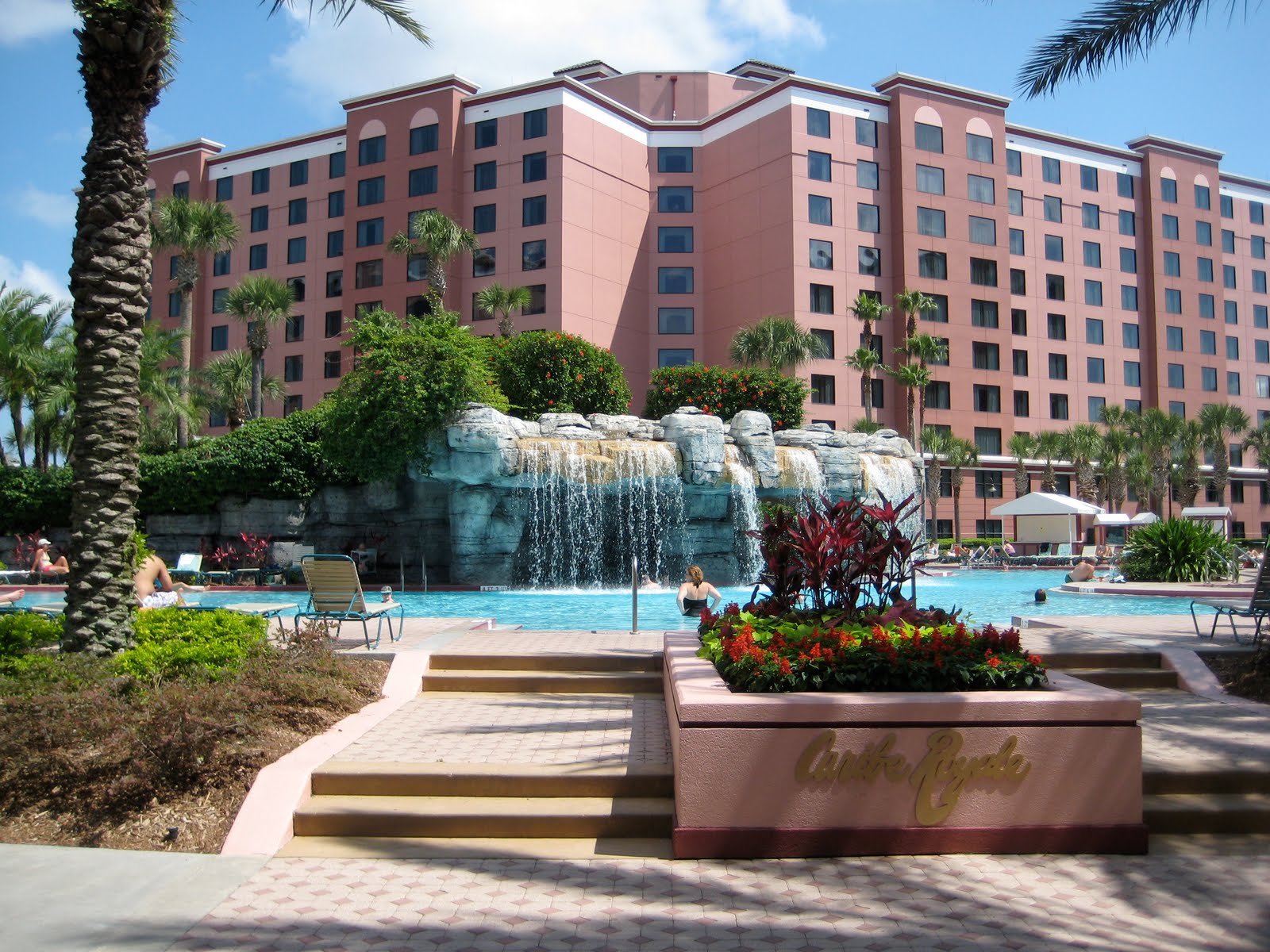
The 2014 Annual Meeting will be held in Orlando, Florida.  SRM was able to nail down a stellar contract with the host hotel, the Caribe Royal.  The site, meeting space, and accommodations are all spectacular.  The entire meeting will be at one location, and the hotel will offer federal per diem rates for the all room reservations - during February, peak season for Orlando.  Here are some added perks:
  • All rooms are suites
  • Good restaurants on-site
  • Federal per diem for all room reservations
  • Great deals for students sharing rooms
  • Refrigerators in every room
  • Beautiful swimming pool and surrounding area
  • Free shuttles to Disney (2 miles away) if you want to bring the family 
  • Large meeting facilities
  • AND we negotiated free Internet in rooms
  • ...it's a meeting in Florida
Stay tuned - I will be heading to the Nebraska Youth Range Camp June 7th.